PEAR researchers move AI robot skills from simulation to real hardware
A research team says skills trained in simulation, including pickup and block alignment, carried over to different physical robots, though slow reasoning limits real-world use.
Advertising disclosure: we may earn a commission when you join an operator via links on this page, at no cost to you. This never dictates our ratings. How we make money
Key takeaways
- PEAR researchers report simulation-trained AI skills working on real robots.
- Tasks named include picking up objects and aligning blocks.
- The skills transferred to hardware different from what was used in training.
- Long reasoning delays are the main limit on practical use.
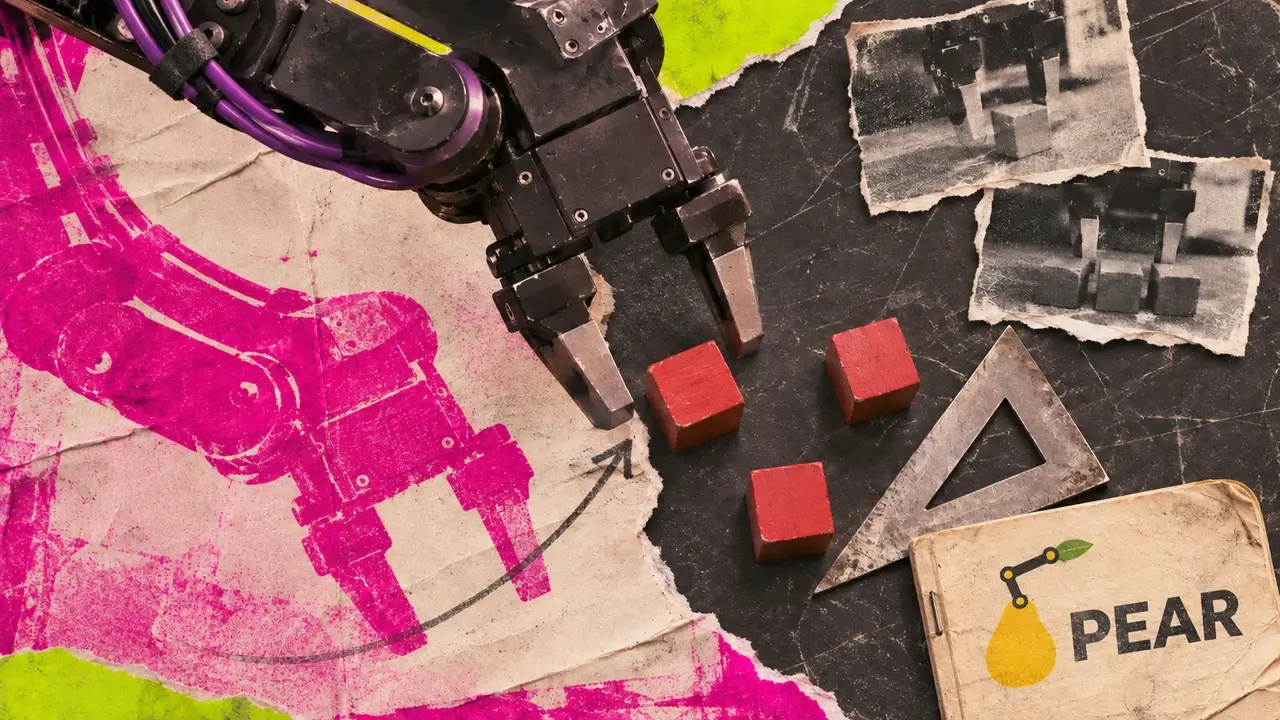
A team at PEAR says it trained an AI system in simulation and then got those skills running on real robots. The tasks were basic: picking objects up and lining up blocks. But the physical hardware wasn't the same as what the system trained on, and that detail matters.
What was reported
Here's the part worth noticing. Carrying a skill from a virtual world into a physical machine is hard. Carrying it into a different machine is harder still. The team reports it worked for both pickup and block alignment.
Now the catch. The system spends a long time reasoning before it acts. That delay caps where it can be used today, because a robot that stalls too long isn't much use outside a lab.
The summary we have is thin. It gives no success rates, no robot models, and no figures for how long the delays run. So read this as an early report, not a finished product.
Why it matters
For crypto readers, this lands in the widening overlap between AI and blockchain, where AI agents and machine-driven networks make for a popular pitch. A result like this shows physical AI is moving forward, but slowly and under real constraints. If you're weighing AI-linked tokens, be wary of claims that outrun the research. Latency is a dull problem. It's also the one that decides whether a demo turns into a product.
Source: CryptoSlate
Top Crypto Casinos Right Now
🇺🇸 Showing sites that accept players from United States Change country
Advertising disclosure: we may earn a commission when you join an operator via links on this page, at no cost to you. This never dictates our ratings. How we make money

More info Less info
Why we chose it: A US-facing book that pays a premium for crypto deposits: 125% against 100% for cash, with fee-free deposits across five coins.
- Payout time
- Within 24 hours (crypto)
- KYC
- Required
Restricted countries: Australia, Afghanistan, Bulgaria, Central African Republic, Congo - Brazzaville, Eritrea, France, Guinea-Bissau and 16 more.
More info Less info
Why we chose it: BetNow's casino floor with the biggest match bonus we list. The 200% headline deserves a careful read of the code terms behind it.
- Payout time
- Within 24 hours (crypto)
- KYC
- Required
Restricted countries: Australia, Afghanistan, Bulgaria, Central African Republic, Congo - Brazzaville, Eritrea, France, Guinea-Bissau and 16 more.

More info Less info
Why we chose it: A US-oriented casino that turns away only New Jersey. The cashier takes crypto, but the site publishes fewer specifics than any operator we list.
- KYC
- Required
Restricted countries: New Jersey (US).
Daniel Okoro
Daniel tracks crypto regulation and policy across the US, EU and Asia, with a decade in financial journalism.