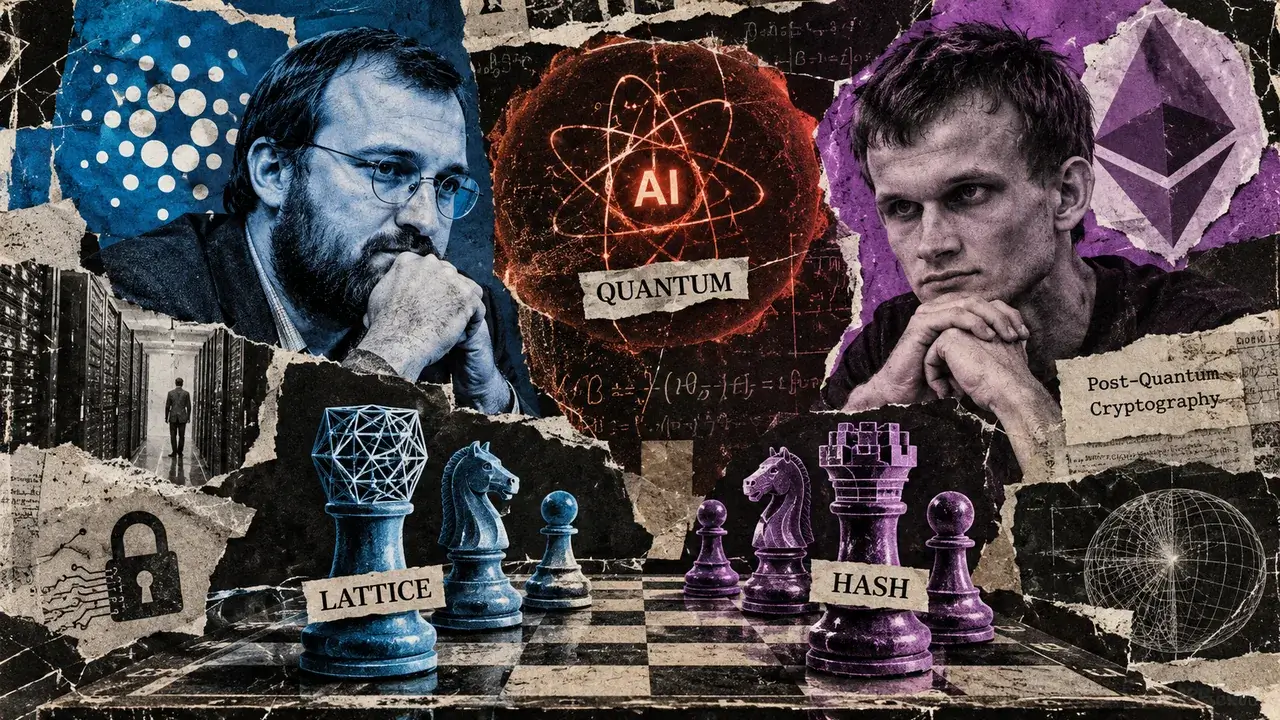
Hoskinson Slams Buterin Over AI Quantum Encryption Warnings
Cardano's founder argues Vitalik Buterin's doubts could delay essential post-quantum security upgrades across the web.
Advertising disclosure: we may earn a commission when you join an operator via links on this page, at no cost to you. This never dictates our ratings. How we make money
Key takeaways
- Charles Hoskinson criticized Vitalik Buterin's warnings about AI breaking post-quantum encryption.
- Buterin questioned whether lattice-based cryptography can survive future AI mathematical advances.
- Hoskinson argued lattice defenses rely on decades of research and shouldn't be abandoned.
On Oct. 9, Cardano founder Charles Hoskinson publicly called out Ethereum co-founder Vitalik Buterin, arguing that Buterin’s skepticism around post-quantum security threatens to stall defenses across the wider internet.
At the heart of the argument is lattice-based cryptography. It's the primary mathematical framework experts rely on to build quantum-resistant encryption. Buterin recently voiced concerns that rapid advances in artificial intelligence could trigger mathematical breakthroughs capable of cracking lattice systems. Hoskinson dismissed those fears outright. Decades of rigorous academic research have already stress-tested lattice models and accounted for their potential vulnerabilities, he stated.
Hoskinson warned that steering developers away from proven cryptographic methods based on speculative AI threats creates unnecessary risk and slows down critical protocol upgrades.
Why it matters
Quantum computers threaten the foundational encryption securing every crypto wallet and private key in existence. Moving blockchains to post-quantum standards takes years of painstaking research and implementation. When top industry leaders clash over which security standards to trust, developers are left with uncertainty—and that risks pushing back the timeline for protecting user assets before quantum hardware actually arrives.
Source: CryptoSlate
Top Crypto Casinos Right Now
🇯🇵 Showing sites that accept players from Japan Change country
Advertising disclosure: we may earn a commission when you join an operator via links on this page, at no cost to you. This never dictates our ratings. How we make money

More info Less info
Why we chose it: A US-facing book that pays a premium for crypto deposits: 125% against 100% for cash, with fee-free deposits across five coins.
- Payout time
- Within 24 hours (crypto)
- KYC
- Required
Restricted countries: Australia, Afghanistan, Bulgaria, Central African Republic, Congo - Brazzaville, Eritrea, France, Guinea-Bissau and 16 more.

More info Less info
Why we chose it: Phemex is a derivatives-first venue for Europe, Asia and Latin America. Good engine, mid-size liquidity, and a blocklist that grew in 2025.
- Online since
- 2019
- Licence
- Seychelles
- KYC
- Required
Restricted countries: United Arab Emirates, Afghanistan, Australia, Belgium, Bermuda, Belarus, Ontario (Canada), China and 18 more.
More info Less info
Why we chose it: BetNow's casino floor with the biggest match bonus we list. The 200% headline deserves a careful read of the code terms behind it.
- Payout time
- Within 24 hours (crypto)
- KYC
- Required
Restricted countries: Australia, Afghanistan, Bulgaria, Central African Republic, Congo - Brazzaville, Eritrea, France, Guinea-Bissau and 16 more.
Daniel Okoro
Daniel tracks crypto regulation and policy across the US, EU and Asia, with a decade in financial journalism.
Related News

AI Could Crack Bitcoin and Ether Security in Months, Researchers Warn
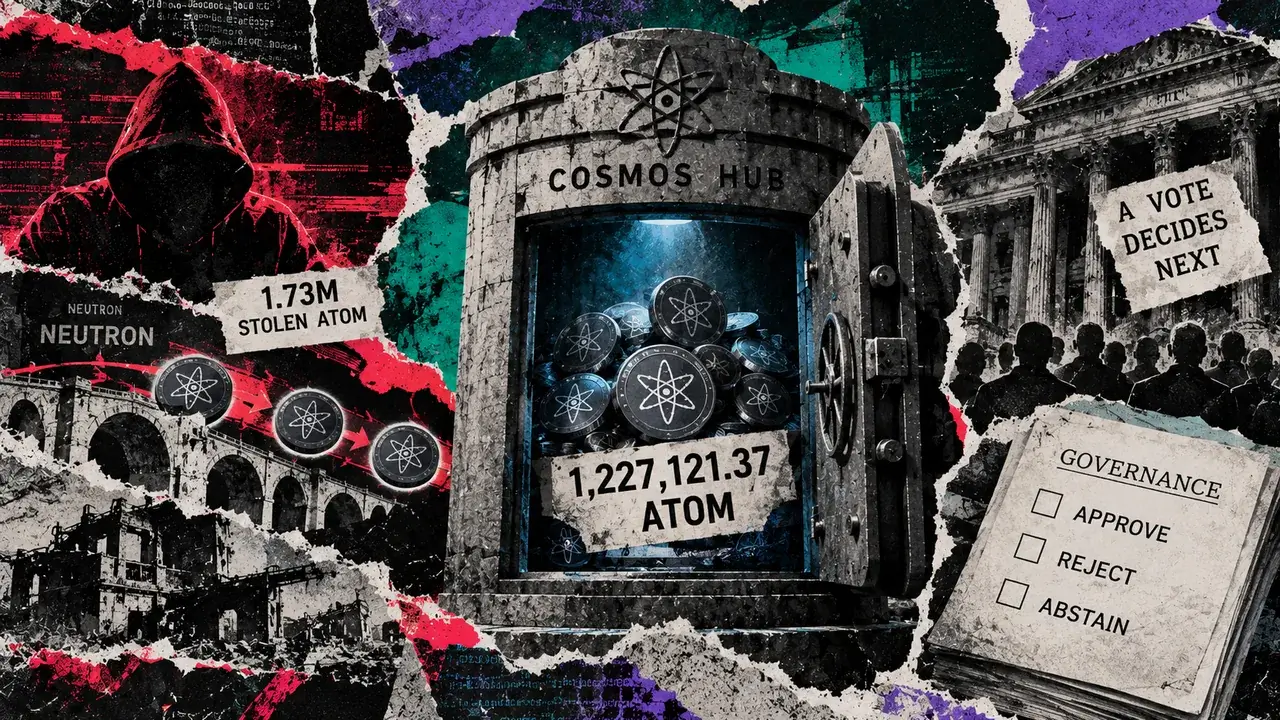
Cosmos Stops 1.23M Stolen ATOM, but Refunds Await Governance Vote

Cosmos Hit the Kill Switch for Stolen ATOM—169K Tokens Still Escaped