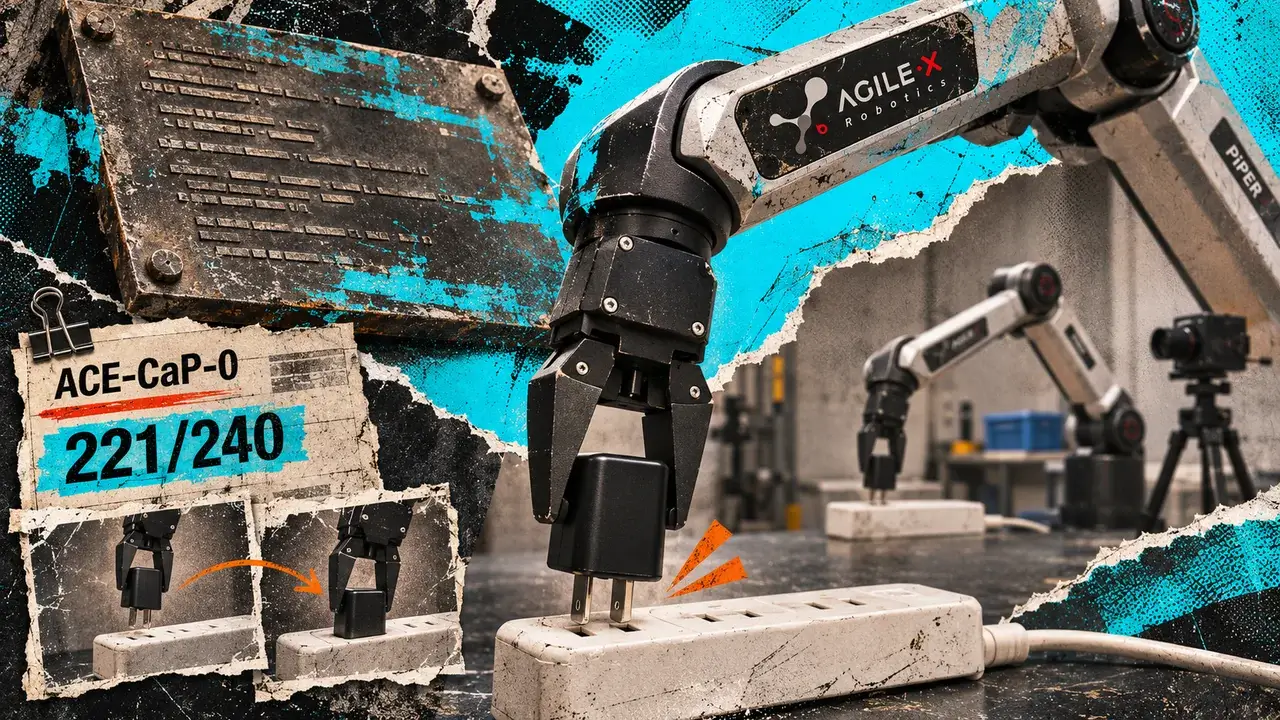
Frontier AI models fall for fake data in supervision tests
Controlled tests on Claude Code and Codex reportedly found failures when weaker models read the evidence on behalf of stronger supervisors.
Advertising disclosure: we may earn a commission when you join an operator via links on this page, at no cost to you. This never dictates our ratings. How we make money

Key takeaways
- Tests on Claude Code and Codex exposed a flaw in AI oversight setups.
- The failures showed up when weaker models read evidence for stronger supervisors.
- The reported result: fake data got through and was adopted.
- Only a short summary of the findings was available, so details like scale and error rates are unknown.
Frontier AI coding models can be fed bad data, and they'll run with it. That's the takeaway from controlled tests on Claude Code and Codex, reported by CryptoSlate on Nov. 18.
What the tests found
The failures showed up in one specific setup. A weaker model reads the evidence, then hands it up to a stronger model acting as supervisor. In the tests, that arrangement broke down. The fake data got adopted. Just like that.
That's all we've got. The source material is a short summary, so there are no error rates, no details on how the tests were designed, and nothing on how each tool performed. I'm not going to guess, and you shouldn't trust anyone who does.
Why it matters
Crypto is leaning hard on AI agents: trading bots, research tools, code assistants that write and audit smart contracts. Plenty of these pipelines use a cheap model to gather and summarize, then a stronger one to make the call. Fool the cheap layer and the smart layer inherits the mistake, then delivers it with total confidence.
If you're letting an agent anywhere near funds or contract review, the lesson is blunt. Don't assume the strong supervisor catches bad inputs. Check the source data yourself. So how many automated crypto workflows actually do that today?
Source: CryptoSlate
Top Crypto Casinos Right Now
🇨🇦 Showing sites that accept players from Canada Change country
Advertising disclosure: we may earn a commission when you join an operator via links on this page, at no cost to you. This never dictates our ratings. How we make money

More info Less info
Why we chose it: A US-facing book that pays a premium for crypto deposits: 125% against 100% for cash, with fee-free deposits across five coins.
- Payout time
- Within 24 hours (crypto)
- KYC
- Required
Restricted countries: Australia, Afghanistan, Bulgaria, Central African Republic, Congo - Brazzaville, Eritrea, France, Guinea-Bissau and 16 more.

More info Less info
Why we chose it: Phemex is a derivatives-first venue for Europe, Asia and Latin America. Good engine, mid-size liquidity, and a blocklist that grew in 2025.
- Online since
- 2019
- Licence
- Seychelles
- KYC
- Required
Restricted countries: United Arab Emirates, Afghanistan, Australia, Belgium, Bermuda, Belarus, Ontario (Canada), China and 18 more.
More info Less info
Why we chose it: BetNow's casino floor with the biggest match bonus we list. The 200% headline deserves a careful read of the code terms behind it.
- Payout time
- Within 24 hours (crypto)
- KYC
- Required
Restricted countries: Australia, Afghanistan, Bulgaria, Central African Republic, Congo - Brazzaville, Eritrea, France, Guinea-Bissau and 16 more.
Sofia Marek
Sofia reviews exchanges and crypto casinos, focused on fees, safety and what actually reaches the player.