New XRPL proposal could shift XRP custody from retail to banks
Proposed sponsorship rules on the XRP Ledger would let institutions cover user fees, pulling tokens into corporate coffers.
Advertising disclosure: we may earn a commission when you join an operator via links on this page, at no cost to you. This never dictates our ratings. How we make money

Key takeaways
- Pending XRPL sponsorship rules allow companies to pay network reserves and fees for users.
- Corporate capital release will depend on strict user funding and exit conditions.
- The change risks concentrating physical XRP ownership inside banks rather than private wallets.
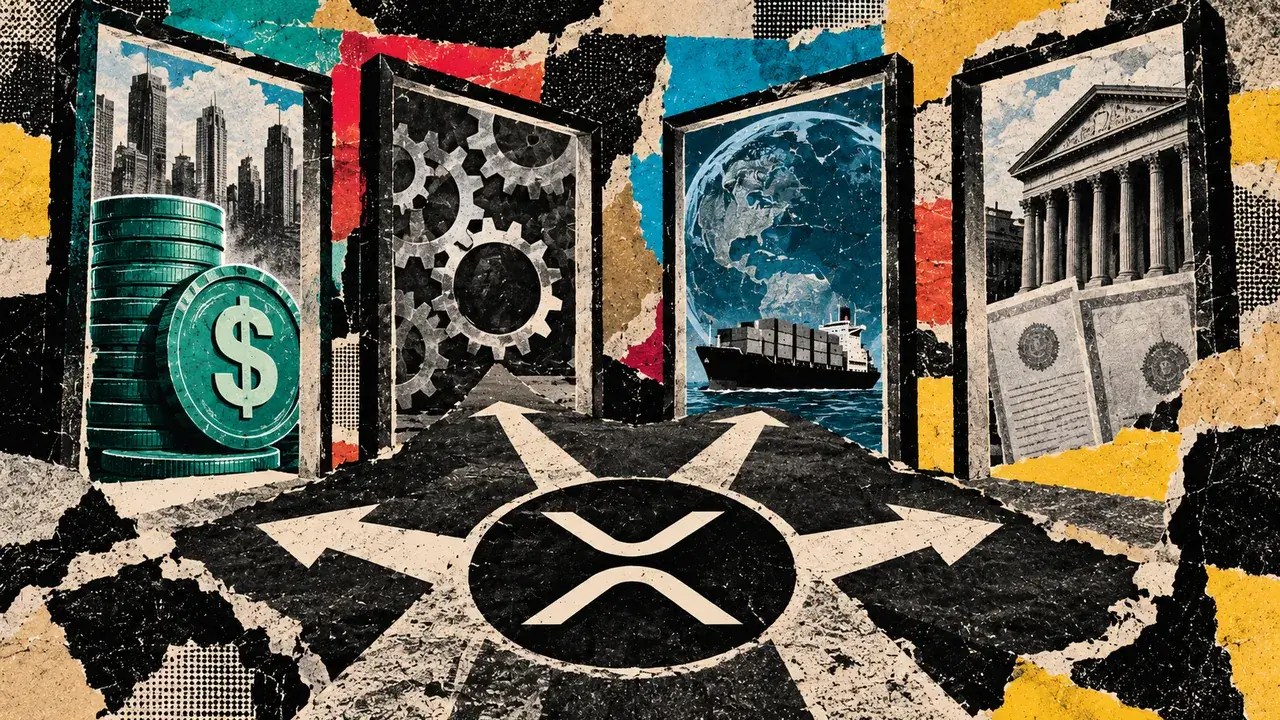
The XRP Ledger is weighing a major tweak to its reserve rules, and it could fundamentally alter who actually holds the tokens.
Under pending sponsorship rules, businesses and institutional entities could cover network reserves and transaction fees on behalf of individual users. Today, if you want to open an XRPL account, you've got to lock up your own XRP as a minimum reserve. This new mechanism lets corporate sponsors take on that burden instead.
How the rules shift power
Sure, sponsored accounts lower the barrier for newcomers, but follow the money: they radically change how capital moves. A corporate sponsor's ability to unlock and reclaim those reserved funds depends heavily on user funding conditions and exit rules. If institutions provide that upfront capital, they effectively control the underlying wallet infrastructure.
That setup incentivizes you to stay comfortable inside hosted apps rather than moving funds to self-custodial wallets. Over time, large pools of XRP could settle into institutional balances rather than circulating among retail holders.
Why it matters
For traders and daily users, sponsored accounts strip away the friction. You won't need to buy XRP just to activate a new wallet. The catch? You sacrifice true ownership for convenience. If banks swallow up the reserve burden, they control the exit ramps—and a huge chunk of the total XRP supply stays parked on institutional balance sheets.
Source: CryptoSlate
Top Crypto Casinos Right Now
🇺🇸 Showing sites that accept players from United States Change country
Advertising disclosure: we may earn a commission when you join an operator via links on this page, at no cost to you. This never dictates our ratings. How we make money

More info Less info
Why we chose it: A US-facing book that pays a premium for crypto deposits: 125% against 100% for cash, with fee-free deposits across five coins.
- Payout time
- Within 24 hours (crypto)
- KYC
- Required
Restricted countries: Australia, Afghanistan, Bulgaria, Central African Republic, Congo - Brazzaville, Eritrea, France, Guinea-Bissau and 16 more.
More info Less info
Why we chose it: BetNow's casino floor with the biggest match bonus we list. The 200% headline deserves a careful read of the code terms behind it.
- Payout time
- Within 24 hours (crypto)
- KYC
- Required
Restricted countries: Australia, Afghanistan, Bulgaria, Central African Republic, Congo - Brazzaville, Eritrea, France, Guinea-Bissau and 16 more.

More info Less info
Why we chose it: A US-oriented casino that turns away only New Jersey. The cashier takes crypto, but the site publishes fewer specifics than any operator we list.
- KYC
- Required
Restricted countries: New Jersey (US).
Sofia Marek
Sofia reviews exchanges and crypto casinos, focused on fees, safety and what actually reaches the player.