Google AI flags high blood pressure using ordinary watch sensors
A Nature study of 196 people suggests a standard smartwatch could screen for hypertension passively, though about a third of cases still slipped through.
Advertising disclosure: we may earn a commission when you join an operator via links on this page, at no cost to you. This never dictates our ratings. How we make money
Key takeaways
- A Nature study tested Google AI on 196 people using standard watch sensors.
- The approach points to passive hypertension screening without a cuff.
- Roughly one-third of hypertension cases went undetected.
- The sample is small, so this is early evidence, not a finished product.
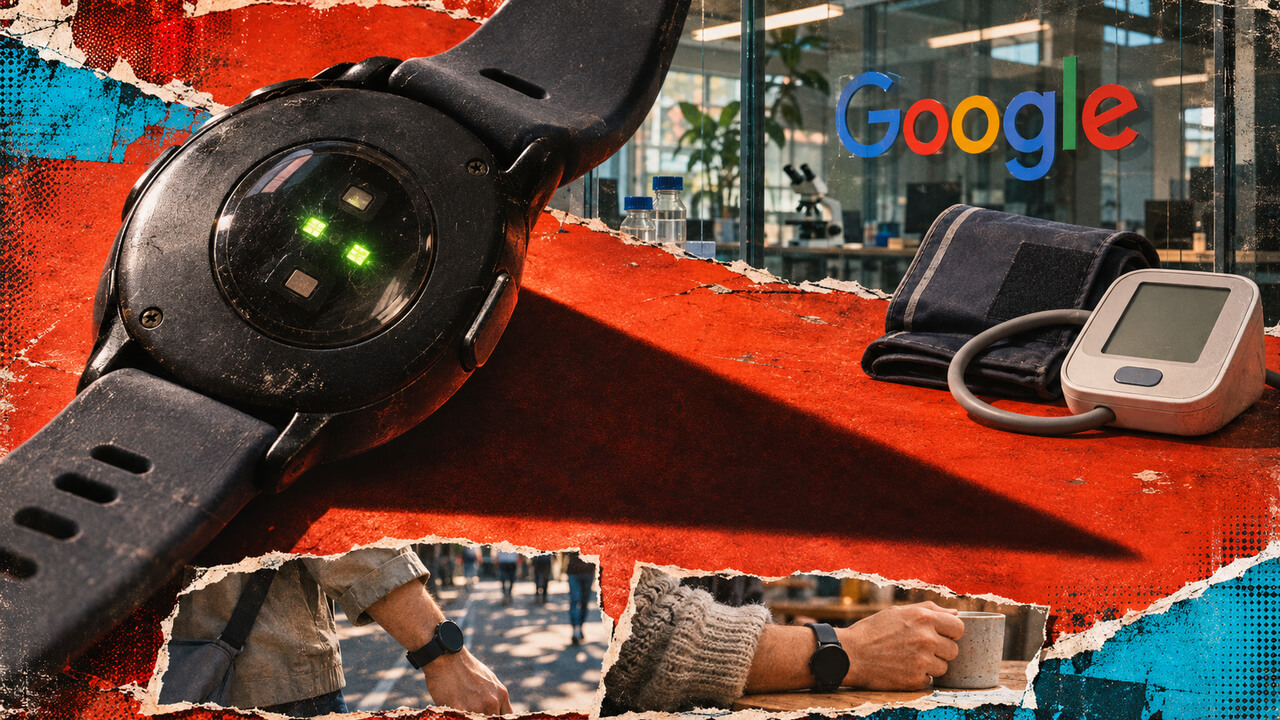
Google's AI can spot signs of high blood pressure using only the sensors in an ordinary smartwatch. That's the word from a new study in Nature. The catch? It missed about a third of the people who actually had hypertension.
What the study found
The research covered 196 participants. The pitch is a watch that screens for hypertension in the background. No cuff. No deliberate measurement. That's the appeal, since most people with high blood pressure don't know they have it.
But a one-third miss rate is big. A screening tool that overlooks that many cases can hand people false comfort. And 196 people is a small group. The results need testing on larger, more varied populations before anyone leans on them.
What we don't know
The summary we have doesn't say which watch hardware was used. It doesn't say whether Google plans to ship this, or how the tool would be regulated. Open questions, all three.
Why it matters
This isn't a crypto story on its face. But it sits where AI, wearables and personal data collide. Health data from your wrist is some of the most sensitive information you produce. If passive screening takes off, who owns that data, and who gets to monetize it, turns into a real fight. Crypto projects pitching user-owned data and on-chain health records will point straight at this use case. Whether they can deliver is a different story. For now, the practical takeaway is simple: a watch reading isn't a diagnosis, and a clean result doesn't mean your blood pressure is fine.
Source: CryptoSlate
Top Crypto Casinos Right Now
🇺🇸 Showing sites that accept players from United States Change country
Advertising disclosure: we may earn a commission when you join an operator via links on this page, at no cost to you. This never dictates our ratings. How we make money

More info Less info
Why we chose it: A US-facing book that pays a premium for crypto deposits: 125% against 100% for cash, with fee-free deposits across five coins.
- Payout time
- Within 24 hours (crypto)
- KYC
- Required
Restricted countries: Australia, Afghanistan, Bulgaria, Central African Republic, Congo - Brazzaville, Eritrea, France, Guinea-Bissau and 16 more.
More info Less info
Why we chose it: BetNow's casino floor with the biggest match bonus we list. The 200% headline deserves a careful read of the code terms behind it.
- Payout time
- Within 24 hours (crypto)
- KYC
- Required
Restricted countries: Australia, Afghanistan, Bulgaria, Central African Republic, Congo - Brazzaville, Eritrea, France, Guinea-Bissau and 16 more.

More info Less info
Why we chose it: A US-oriented casino that turns away only New Jersey. The cashier takes crypto, but the site publishes fewer specifics than any operator we list.
- KYC
- Required
Restricted countries: New Jersey (US).
Alex Rivera
Alex covers crypto markets and trading, testing every platform hands-on before writing about it.