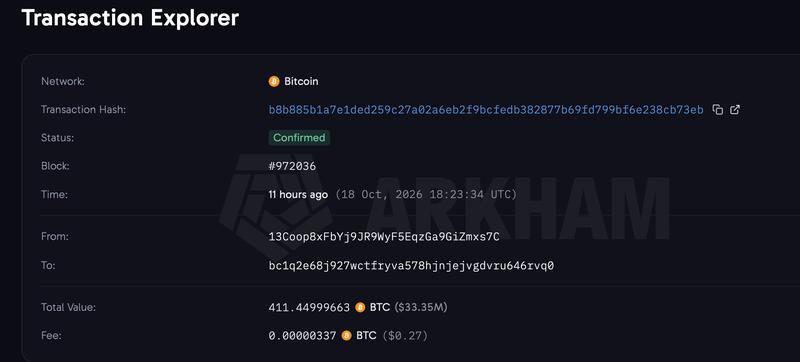
Bitcoin Gets Quantum Fix, But 7 Million BTC Remain at Risk
A mainnet transaction proved Bitcoin can process quantum-safe transfers, but high costs and exposed keys leave millions of coins vulnerable.
Advertising disclosure: we may earn a commission when you join an operator via links on this page, at no cost to you. This never dictates our ratings. How we make money
Key takeaways
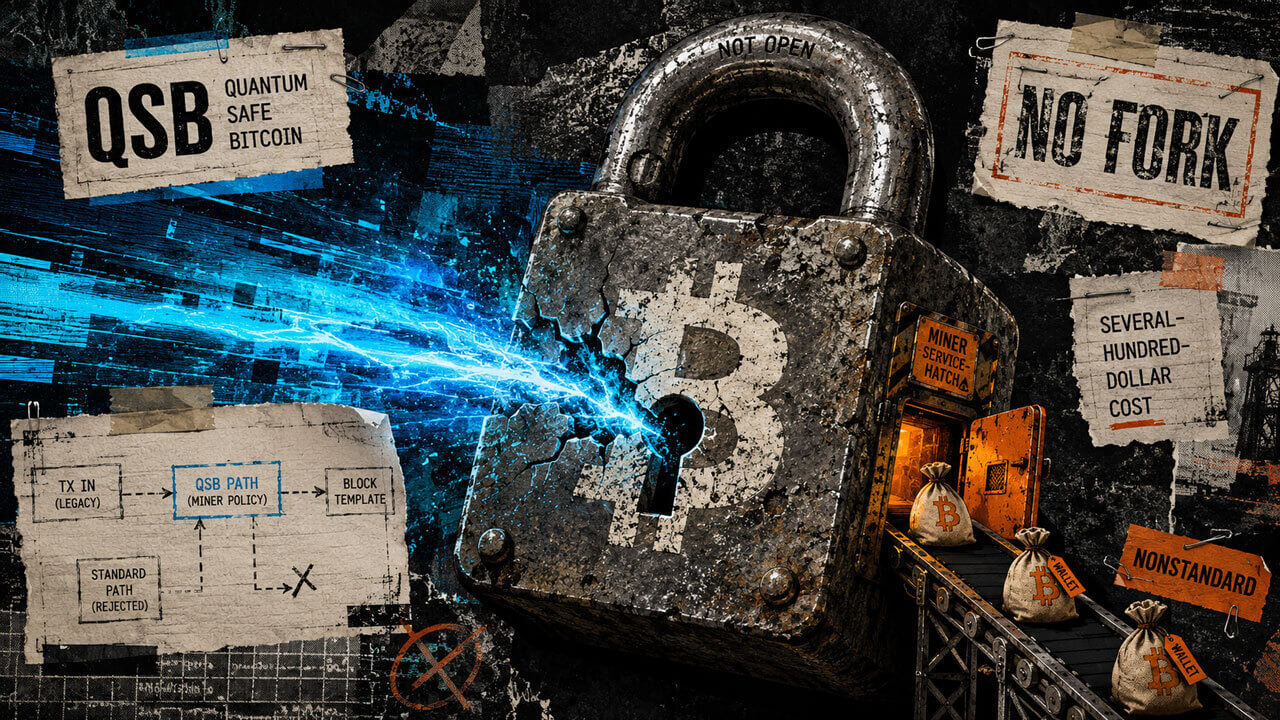
- A mainnet QSB transaction successfully passed consensus, establishing a quantum mitigation path.
- High computational costs and nonstandard relay requirements hinder immediate adoption.
- Roughly 7 million BTC with exposed public keys remain vulnerable to potential quantum decryption.
Bitcoin developers just demonstrated that the mainnet can clear a quantum-resistant transaction. The catch? Roughly 7 million coins are still sitting completely exposed.
A Quantum-State-Based (QSB) transaction successfully passed consensus on the live network. That proves the protocol can, in theory, survive an attack from future quantum supercomputers. But turning a proof-of-concept into an actual shield isn't simple.
High Costs and Nonstandard Relays
Technical bottlenecks are blocking immediate adoption. For starters, the transaction relies on nonstandard relay rules, meaning default nodes simply won't broadcast it. On top of that, generating and verifying these heavy proofs requires massive computational effort—and that costs real money.
An even bigger threat sits in legacy wallets. Millions of early Bitcoin addresses broadcast their public keys on-chain through previous transactions or outdated address formats. Researchers estimate about 7 million BTC remain stuck in these exposed states. That leaves them open to quantum decryption long before owners can migrate them to safer scripts.
Why it matters
If you use modern address types and don't reuse public keys, your wallet isn't in immediate danger. But 7 million vulnerable coins make up a huge chunk of Bitcoin's total supply. If quantum hardware eventually breaches those legacy addresses, the resulting market dump will hit every holder, regardless of your personal security habits. Developers built the exit hatch. The network still lacks a realistic way to pull millions of dormant coins through it.
Source: CryptoSlate
Top Crypto Casinos Right Now
🇺🇸 Showing sites that accept players from United States Change country
Advertising disclosure: we may earn a commission when you join an operator via links on this page, at no cost to you. This never dictates our ratings. How we make money

More info Less info
Why we chose it: A US-facing book that pays a premium for crypto deposits: 125% against 100% for cash, with fee-free deposits across five coins.
- Payout time
- Within 24 hours (crypto)
- KYC
- Required
Restricted countries: Australia, Afghanistan, Bulgaria, Central African Republic, Congo - Brazzaville, Eritrea, France, Guinea-Bissau and 16 more.
More info Less info
Why we chose it: BetNow's casino floor with the biggest match bonus we list. The 200% headline deserves a careful read of the code terms behind it.
- Payout time
- Within 24 hours (crypto)
- KYC
- Required
Restricted countries: Australia, Afghanistan, Bulgaria, Central African Republic, Congo - Brazzaville, Eritrea, France, Guinea-Bissau and 16 more.

More info Less info
Why we chose it: A US-oriented casino that turns away only New Jersey. The cashier takes crypto, but the site publishes fewer specifics than any operator we list.
- KYC
- Required
Restricted countries: New Jersey (US).
Mia Chen
Mia digs into DeFi and on-chain data, translating protocol mechanics into plain English for everyday readers.