
Thailand Proposes Strict Limits on P2P Stablecoin Transfers
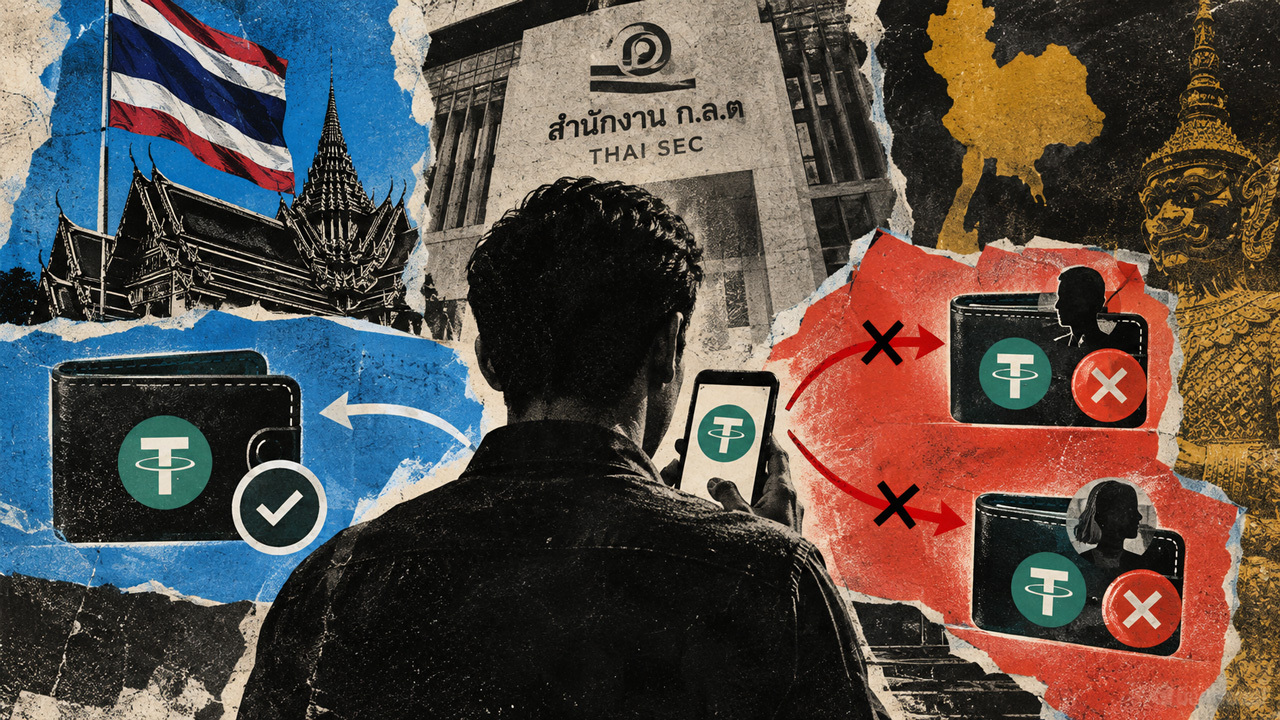
Under a new regulatory proposal in Thailand, licensed crypto firms could only process stablecoin transactions between accounts owned by the same user.
Advertising disclosure: we may earn a commission when you join an operator via links on this page, at no cost to you. This never dictates our ratings. How we make money
Key takeaways
- Thailand's proposed rules restrict stablecoin deposits and withdrawals to verified, self-owned accounts.
- Licensed crypto platforms would be prohibited from sending funds directly to third-party wallets.
- The policy effectively forces all peer-to-peer payments off regulated local exchanges.
Thai regulators want tight control over peer-to-peer stablecoin movement.
Under a newly floated proposal, licensed crypto platforms in Thailand wouldn't be allowed to process stablecoin deposits or withdrawals involving third-party wallets. Instead, platforms could only clear transactions where the destination or funding account is explicitly verified as belonging to the customer themselves.
Strictly Self-Owned Accounts
Should this proposal pass into law, sending stablecoins straight from a Thai exchange to a friend, merchant, or external third party will no longer be an option. Every single transaction passing through a regulated exchange has to trace back to an account registered in that specific user's name.
The policy effectively kills direct peer-to-peer transfers through licensed intermediaries. Anyone looking to pay someone else using stablecoins would first have to withdraw the assets to a personal self-custody wallet or bank account before completing the payment.
Why it matters
Stablecoins thrive on speed and frictionless settlement. By requiring every transfer to pass through self-owned, identity-verified accounts, Thai regulators are trying to choke off anonymous transfers and combat illicit money flows. For local crypto users and traders in Thailand, the mechanism brings obvious trade-offs: more friction, extra steps, and far less freedom in how they move digital dollars.
Source: CryptoSlate
Top Crypto Casinos Right Now
🇹🇷 Showing sites that accept players from Turkey Change country
Advertising disclosure: we may earn a commission when you join an operator via links on this page, at no cost to you. This never dictates our ratings. How we make money

More info Less info
Why we chose it: A US-facing book that pays a premium for crypto deposits: 125% against 100% for cash, with fee-free deposits across five coins.
- Payout time
- Within 24 hours (crypto)
- KYC
- Required
Restricted countries: Australia, Afghanistan, Bulgaria, Central African Republic, Congo - Brazzaville, Eritrea, France, Guinea-Bissau and 16 more.
More info Less info
Why we chose it: BetNow's casino floor with the biggest match bonus we list. The 200% headline deserves a careful read of the code terms behind it.
- Payout time
- Within 24 hours (crypto)
- KYC
- Required
Restricted countries: Australia, Afghanistan, Bulgaria, Central African Republic, Congo - Brazzaville, Eritrea, France, Guinea-Bissau and 16 more.

More info Less info
Why we chose it: A US-oriented casino that turns away only New Jersey. The cashier takes crypto, but the site publishes fewer specifics than any operator we list.
- KYC
- Required
Restricted countries: New Jersey (US).
Mia Chen
Mia digs into DeFi and on-chain data, translating protocol mechanics into plain English for everyday readers.
Related News

Nasdaq Tech Won't Override US Legal Rules Blocking 24/7 Tokenized Markets

OpenAI Asks Congress If Cooperating on AI Safety Breaks Antitrust Law

Senate Republicans Revise Crypto Bill Ahead of Key Vote Next Week